

Monthly highlights - March 2026
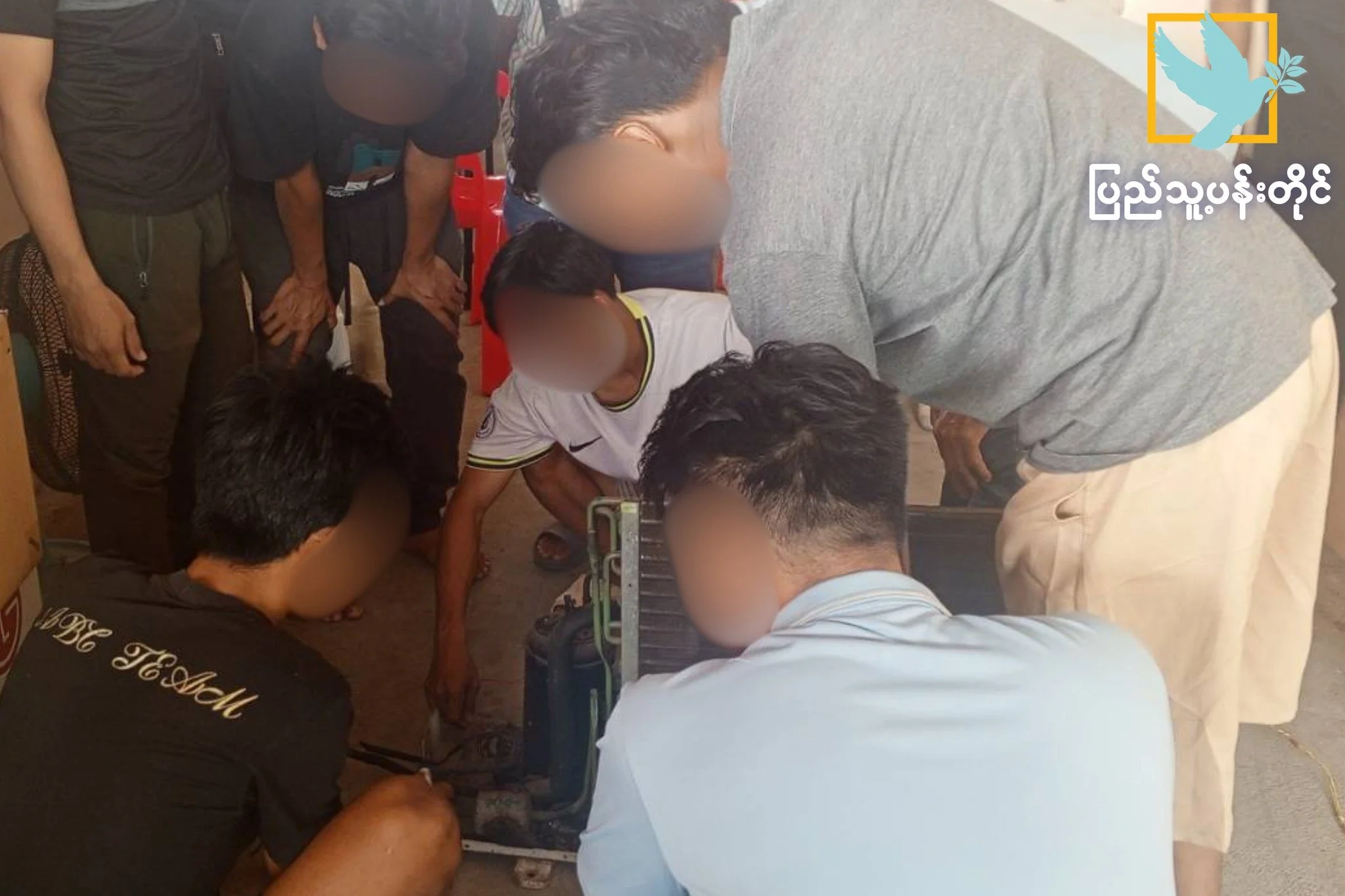
1. From Arms to Tools: A New Beginning Through Electrical & Refrigeration Training
In a modest training space filled with wires, tools, and determination, a new chapter quietly began on March 21, 2026. Eleven individuals—each carrying a different story shaped by conflict and resistance—came together for People’s Goal’s Electrical and Refrigeration Repair Training (Batch 2).
Among them were CDM soldiers, political activists, former PDF comrades, and a civil servant who chose principle over security. What unites them now is not their past roles, but a shared commitment to rebuild their futures.
Over six intensive weeks, trainees engage in both theory and hands-on practice. They learn how electrical systems function, how to repair air conditioning units, and how to maintain refrigeration systems—skills that are not only practical but immediately applicable in local economies.
But this program is about more than technical knowledge.
It represents a transition—from conflict to contribution. From survival to sustainability.
The vision is simple yet powerful: to replace weapons with tools, and uncertainty with opportunity. By equipping participants with employable skills, People’s Goal is ensuring that those who sacrificed stability for justice are not left behind in the future they are helping to build.
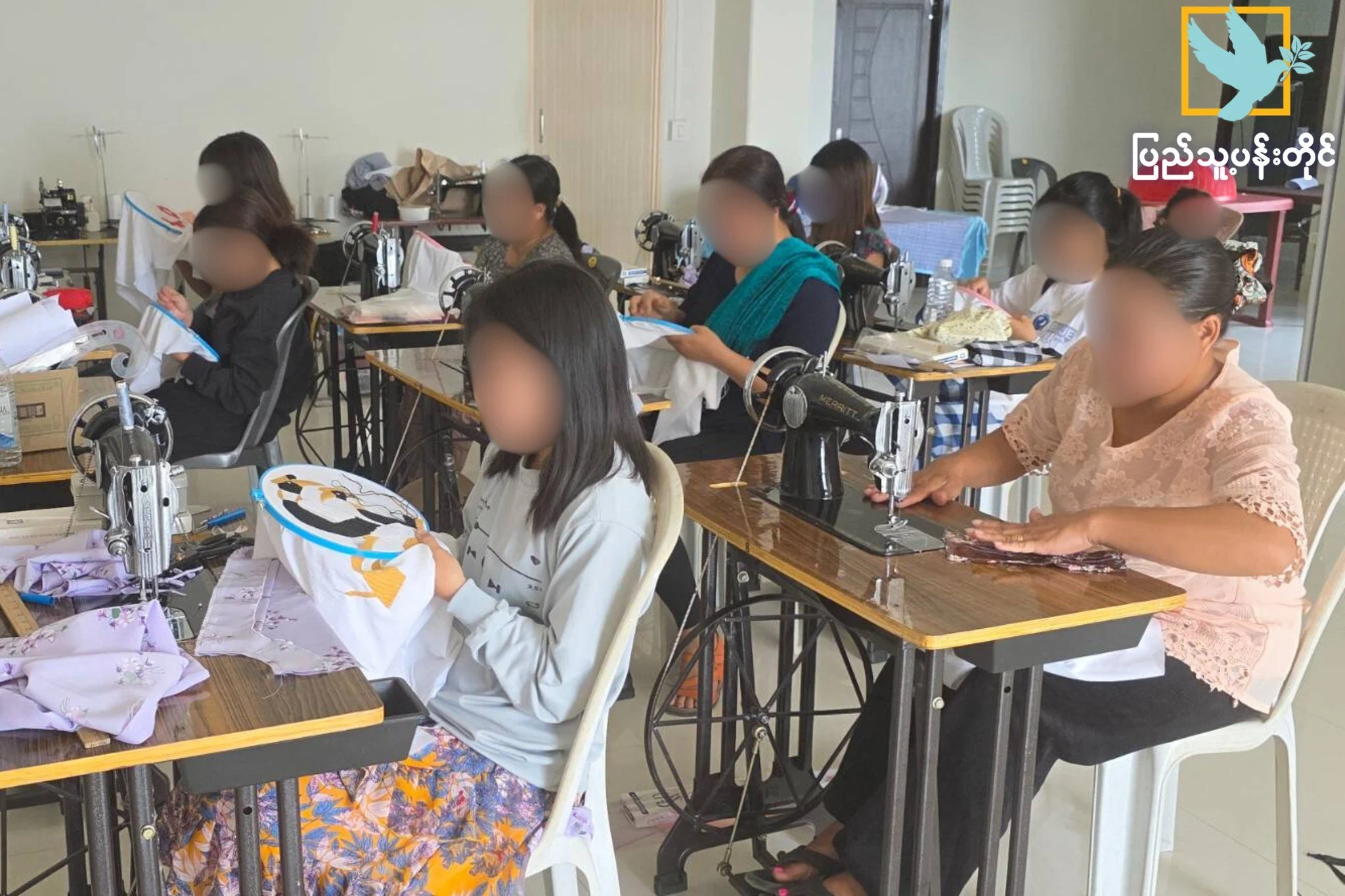
2. Weaving Futures Across Borders: A Livelihood Program in Mizoram
In Aizawl, Mizoram, a quiet but impactful opportunity is taking shape—one thread at a time.
People’s Goal has officially opened recruitment for the second batch of its Traditional Weaving Program, designed for refugees, CDM families, and displaced individuals seeking sustainable livelihoods.
For many applicants, access to training is often limited not by willingness, but by circumstance—distance, cost, and displacement. This program directly addresses those barriers by providing full accommodation for participants traveling from afar.
But what makes this initiative stand out is its long-term vision.
This is not just a training program. It is a pathway.
Participants are not only taught weaving techniques rooted in tradition and craftsmanship, but are also connected to real job opportunities. Through a job placement guarantee, graduates are linked with regional weaving factories, ensuring that their skills translate into income and stability.
To maintain this impact, applicants are selected based on their commitment to using weaving as a long-term livelihood. This ensures that resources are directed toward those who are ready to build sustainable futures.
In a time of uncertainty, this program offers something rare: dignity through work, and continuity through culture.
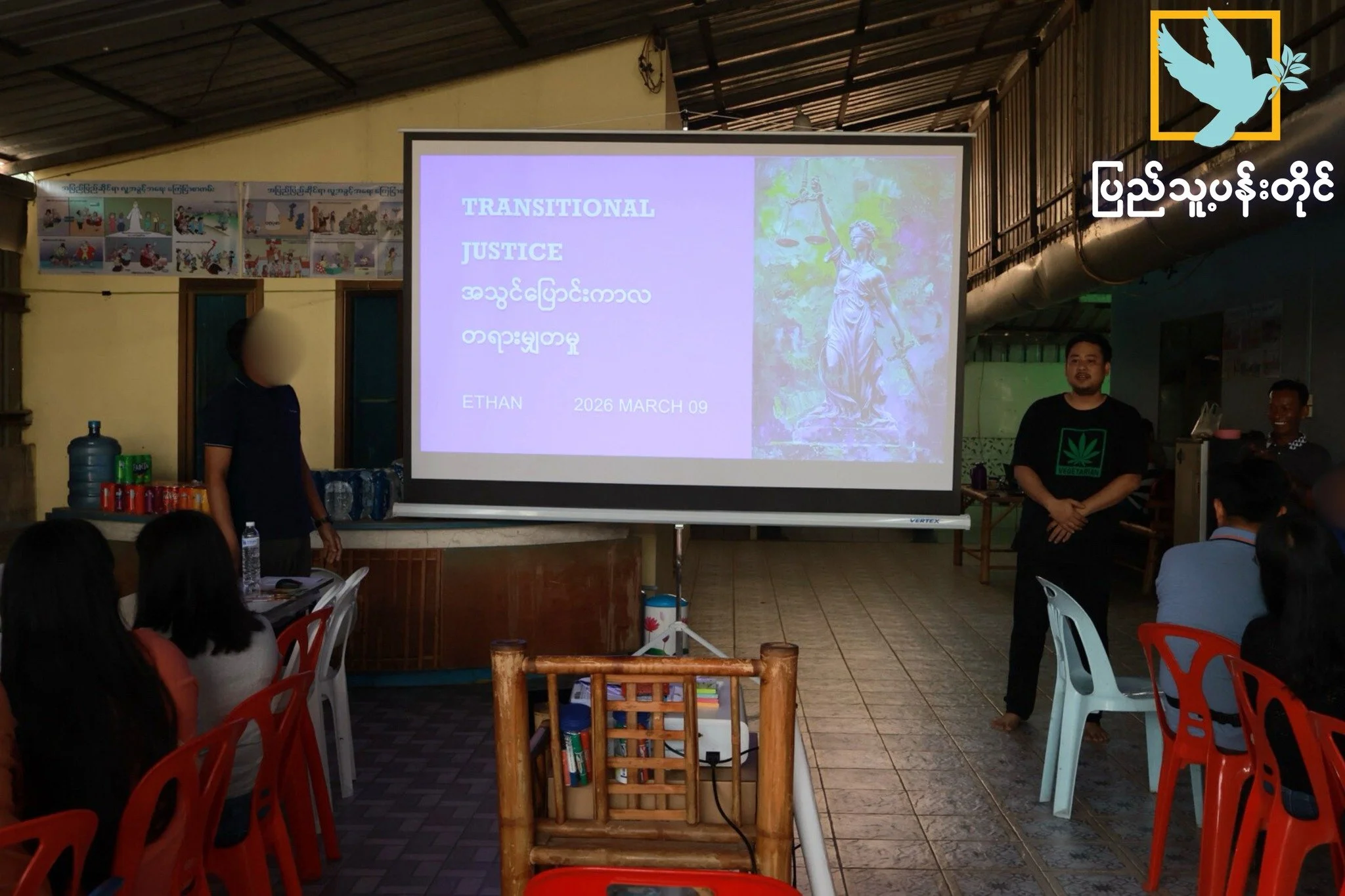
3. Building Ethical Foundations: Learning Law in Times of Conflict
Amid ongoing conflict, People’s Goal recognizes that the future of any society depends not only on victory, but on values.
This month, the organization conducted a series of knowledge-sharing sessions focused on Transitional Justice and Civil-Military Relations (CMR), targeting CDM personnel and their families.
These sessions challenge participants to rethink what it means to serve.
Through discussions on Civil-Military Relations, participants explored the idea that armed forces in a democratic society must serve the people—not control them. This reframing is critical in shaping a future security sector grounded in accountability and public trust.
The sessions also introduced key principles from the Geneva Conventions, including the treatment of Prisoners of War and the legal definitions of war crimes. These are not abstract concepts, but practical guidelines that influence behavior in real conflict situations.
Equally important was the focus on civilian protection. Participants examined strategies to minimize harm to non-combatants, reinforcing the idea that even in war, humanity must remain intact.
By investing in legal and ethical education, People’s Goal is helping to ensure that the foundations of a future democracy are built not only on resistance—but on responsibility.
4. Voices of the Revolution: Stories, Truth, and Political Reality
In its 31st episode of the People’s Soldiers Talk Show, People’s Goal created a space where personal stories and political analysis intersect.
At the heart of the episode were two voices: CDM Captain Aung Myo Htet and former PDF soldier CK. Through their reflections, listeners were taken on a journey spanning five years—one marked by loss, resilience, and unwavering conviction.
They spoke not only of struggle, but of identity.
“The people birthed us; the people feed us. The military did not raise us, and the military does not provide for us.”
This statement captures a profound shift in allegiance—from institution to people.
Beyond personal testimony, the discussion also addressed the broader political landscape. The military junta’s planned “sham election” and the potential consolidation of power under Min Aung Hlaing were critically examined.
Speakers warned of legal manipulations that could grant immunity to those in power, further entrenching injustice. They also highlighted the long-term consequences of military rule, including economic stagnation and the deterioration of essential sectors like education.
Yet, the conversation did not end in despair.
Instead, it emphasized the importance of building a “civilized society” within revolutionary movements—one that stands in contrast to the brutality it opposes.
Through storytelling and analysis, the talk show continues to document history—not as written by those in power, but as lived by those resisting it.
5. Documenting Truth: Evidence for Accountability
In the pursuit of justice, documentation is power.
This month, People’s Goal contributed to ongoing efforts to record and preserve evidence of war crimes by amplifying testimony related to the Dar Lat Chaung airstrikes.
The source of this testimony is significant: Brigadier General Thaung Htunn, Deputy Commander of the Western Command, currently held as a prisoner of war.
His account provides a rare and critical link between command decisions and their devastating consequences on civilians. Such evidence is essential in establishing accountability—not only in public discourse, but in future legal processes, including potential international prosecutions.
In contexts where information is often suppressed or manipulated, verified testimony becomes a cornerstone of truth.
By collecting, preserving, and sharing this evidence, People’s Goal is ensuring that these events are not forgotten—and that those responsible may one day be held accountable.
Watch the interview here: https://www.youtube.com/shorts/U2RH8XvV15Q