

The Melting Point of Belief
By: Nway Oo Myaing
Throughout 2025 and 2026, we have witnessed a continuous stream of reports about comrades from various battalions and units resigning, deserting, or surrendering to the terrorist military regime. Why is this happening so frequently now? What urgent reforms are needed?
In some cases, resignations are resolved amicably between the unit and the comrade and never reach social media. In these situations, leaders handle the matter strategically and discreetly. However, other cases involving desertion and pursuit become chaotic. Conflicts erupt, blame is exchanged, and information leaks despite efforts to suppress it. When these situations are mishandled, the problems only grow larger.
Why do comrades, who joined the People’s Defense Forces (PDF) out of deep conviction, end up resigning, deserting, or even defecting to the enemy? These individuals joined the revolution voluntarily, driven by their refusal to accept the coup and the killing of civilians. Why, halfway through the journey, do they begin to consider leaving? What inequalities and frustrations push them to abandon the very revolution they once believed in?
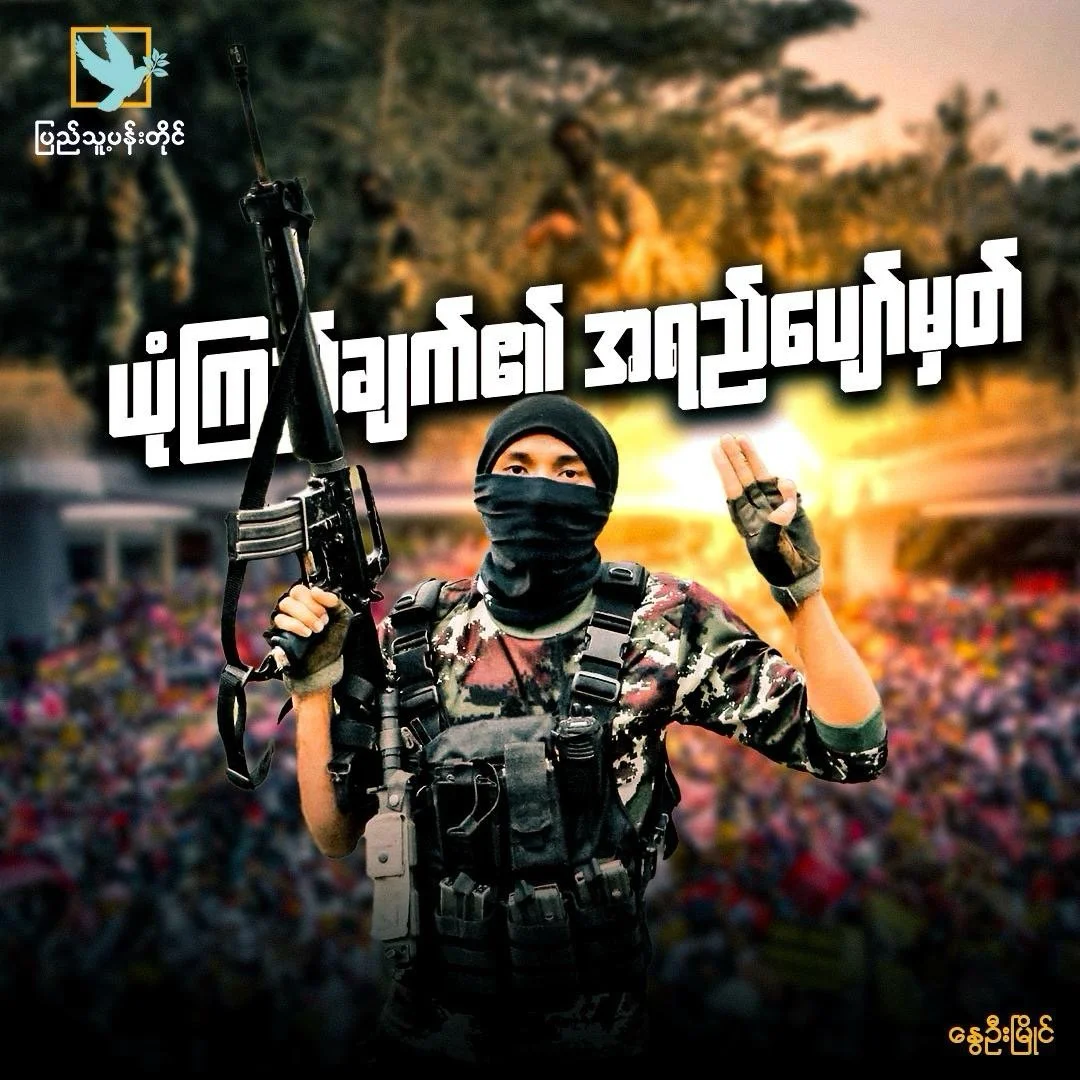
Who is responsible for analyzing these causes? What military laws can prevent desertion, and in practice, is law alone enough? When we examine why comrades choose to leave, several key factors emerge:
1. Loss of Interest and Belief
Some comrades no longer find fulfillment in revolutionary work or gradually lose faith in the cause itself. Many feel they have already “done their part.” As the revolution drags on, battle fatigue and emotional exhaustion become major driving factors.
The Question: How do we address this exhaustion? What kind of motivation can reignite revolutionary spirit and commitment?
2. Family Burdens
Many comrades feel they are failing their families. When they see their loved ones struggling to survive, the weight of the cooking pots at home can begin to feel heavier than the rifle on their shoulders. They become trapped in a painful struggle between duty and devotion.
3. Internal Injustice and Mismanagement
A widening gap between the “upper” and “lower” ranks, leadership bias, and unfair management systems are major contributing factors. When grassroots comrades risk their lives on the frontlines while leaders remain in relatively safe areas, feelings of alienation deepen.
If those who took up arms against injustice begin to see the same power struggles, inequality, and ego-driven hierarchy within their own ranks, it creates justification for leaving. They begin to ask themselves:
“Am I following discipline, or merely someone’s ego?”
“Who am I truly fighting for?”
The Reality: Orders and regulations alone cannot keep comrades committed if there is no visible sense of equality and shared sacrifice.
4. Trauma and War Weariness
Daily exposure to death, explosions, and the brutality of war gradually erodes mental strength. After witnessing too many friends fall, the heroic conviction of “I will die for my brothers” can slowly transform into fear, exhaustion, and longing for the life left behind.
The Result: Comrades become hesitant when heading to the frontlines. Even the sound of an aircraft can trigger deep psychological distress. Without proper psychological support, the constant fear of airstrikes and the uncertain duration of the war lead many toward total burnout.
5. A Blurred Future
At the beginning, many believed the revolution would last four or five years. Now, like a small boat drifting in the middle of a vast ocean, they can no longer see the shore.
When the goal feels distant and sacrifices seem unnoticed, the desire to rebuild one’s personal life begins to grow stronger. Thoughts of survival and self-preservation gradually take root.
6. Temptation and Incentives
This is not merely resignation; it is betrayal. When the hardships of the revolution become unbearable, especially for comrades whose families remain in junta-controlled areas, some may succumb to the dictatorship’s offers of “amnesty” or financial incentives.
In these moments, survival can begin to outweigh conviction.
7. Surrender Through Despair
This is perhaps the most tragic outcome. When comrades experience injustice within their own units and completely lose trust in their leaders, they may begin to feel that “this side is no different from the junta.” Such disillusionment can push them directly into the enemy’s arms.
At times, the revolution itself is viewed as a broken boat. Some begin to think:
“Even if we keep rowing, we will eventually sink. The oar is already broken.”
And so, they prepare to jump overboard.
But I ask those comrades to look back at the lives lost, the friends who sacrificed themselves before your eyes. Remember the promises made at their graves:
“I will continue fighting until the revolution succeeds.”
If everyone leaves, the revolution will wither away before reaching its destination. For the sake of the people and our fallen comrades, we must continue the struggle together. We must confront and fix our internal flaws together, and move toward victory together.
At the same time, I have serious questions for revolutionary leaders:
What have you prepared to keep these hands from letting go? How are you addressing inequality within your structures? Do you understand the difference between power and responsibility? Where are you while your comrades stand at the frontlines? How often have you genuinely listened to their personal hardships?
Are your orders and regulations a shield that brings warmth and protection, or a barrier that pushes people away?
Balancing the scales between leaders and followers is not about equal ranks. It is about equal understanding, equal sacrifice, and shared responsibility.
This article is curated and edited to strengthen the revolution and encourage diverse perspectives among the public. The views expressed are those of the author and do not necessarily reflect the official stance of People’s Goal. Readers are encouraged to engage, comment, and discuss.