
Envisioning 2026: The Spirit and Voice of Revolutionary Youth
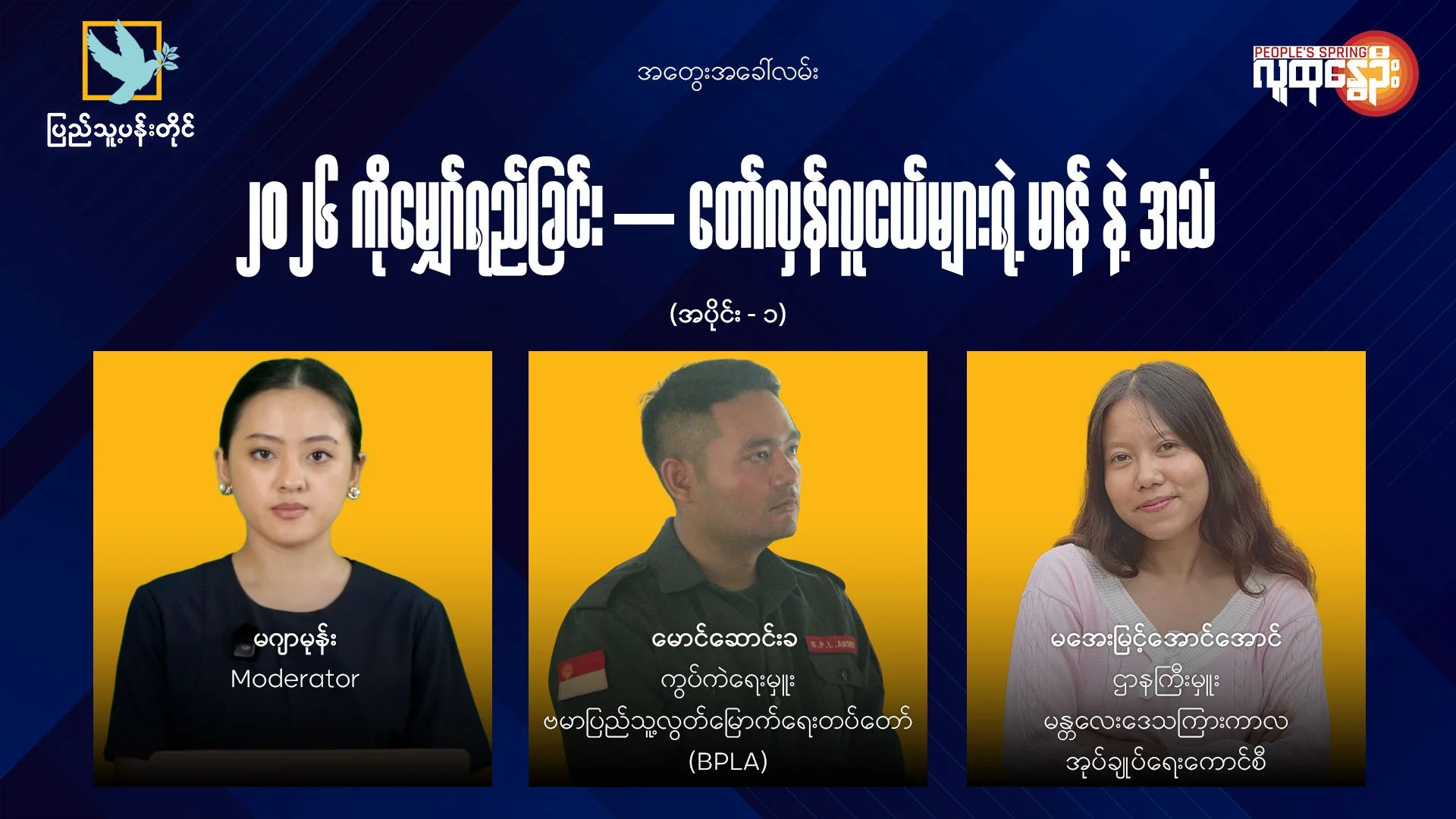
Under the Thought Process Program, a joint talk show hosted by People’s Goal and People’s Spring brought together revolutionary voices to reflect honestly on the past five years and to look ahead to 2026. The panel discussion, titled “Envisioning 2026: The Spirit and Voice of Revolutionary Youth,” did not aim to comfort listeners with easy optimism. Instead, it offered grounded reflections on where the people’s revolution stands and what it must confront next.
Five Years On: Courage, Participation, and Hard Truths
Opening the discussion, the moderator invited panelists to assess both strengths and weaknesses of the revolution that emerged after the 2021 military coup. The question was simple, but the answers were anything but.
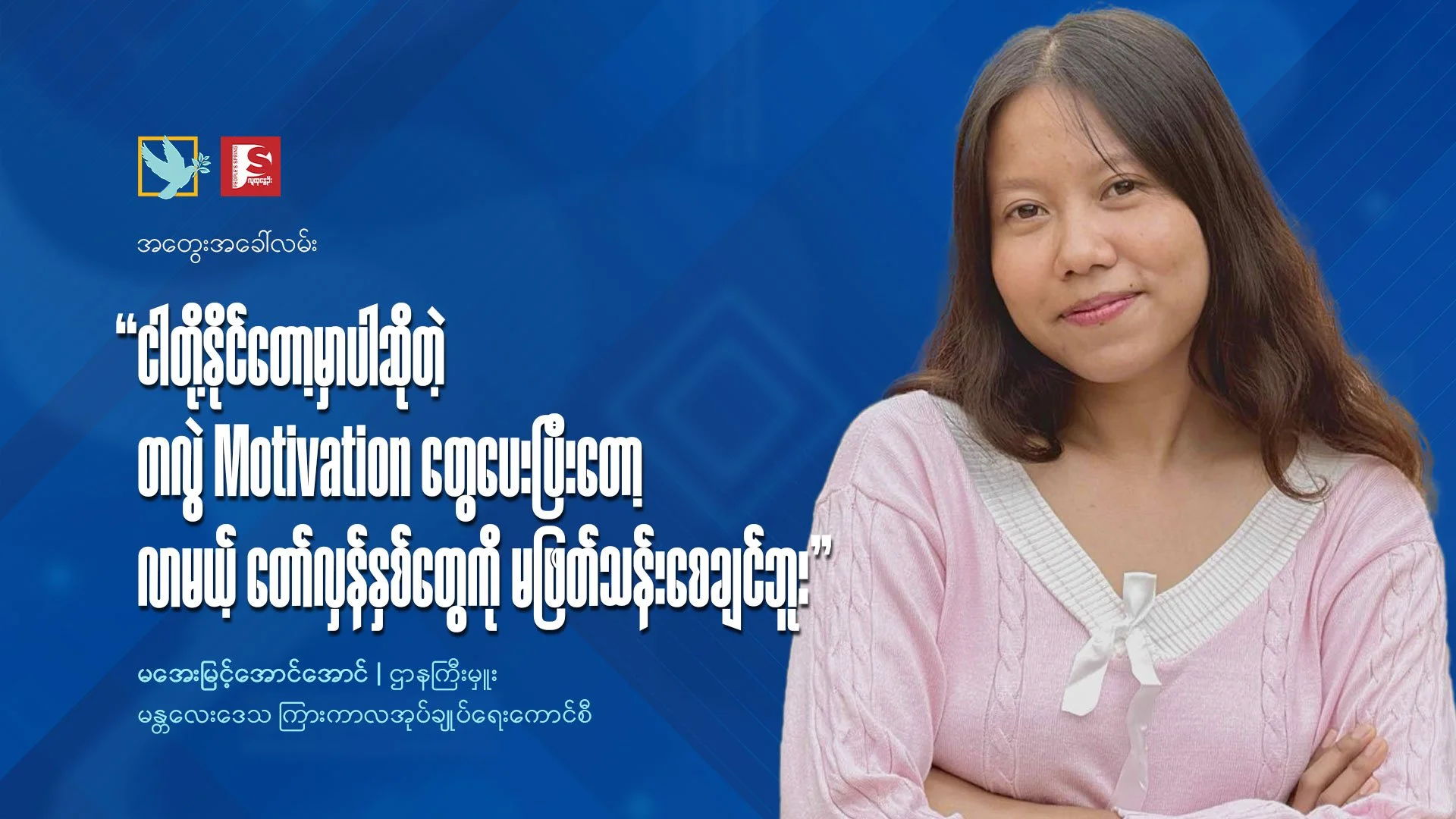
Ma Aye Myint Aung Aung began with clarity and courage. She emphasized that the greatest strength of the revolution remains unquestionable: public participation. Across cities, villages, borders, and generations, people have continued to resist, support, and sacrifice. This collective involvement has sustained the revolution far longer than many expected.
Yet her most striking contribution was her willingness to speak plainly about weaknesses. After five years, she argued, it is no longer enough to repeat motivational slogans or assume victory is near. The revolution must confront uncomfortable realities. In her view, leadership and management within the so-called “revolutionary front” have fallen short. Many people look to the National Unity Government as that front, but expectations have not always been met.
As the military prepares for a sham election aimed at rebranding itself as a civilian authority, she warned that the coming period will be even more complex. Relations with neighboring countries, especially China, coherent foreign policy, military strategy, and responses to the public’s deepening economic crisis are all interconnected challenges. Ignoring these issues, she cautioned, risks entering 2026 with false confidence rather than real preparedness.
Armed Resistance, Organization, and the Long View
The discussion then turned to the perspective of armed resistance, offered by Maung Saungkha. Reflecting on the past four to five years, he focused on a core structural weakness: the difficulty of rapidly building disciplined, coordinated forces. Without a clear chain of command and a shared code of conduct, even brave fighters cannot defeat a nationwide military machine led by Min Aung Hlaing.
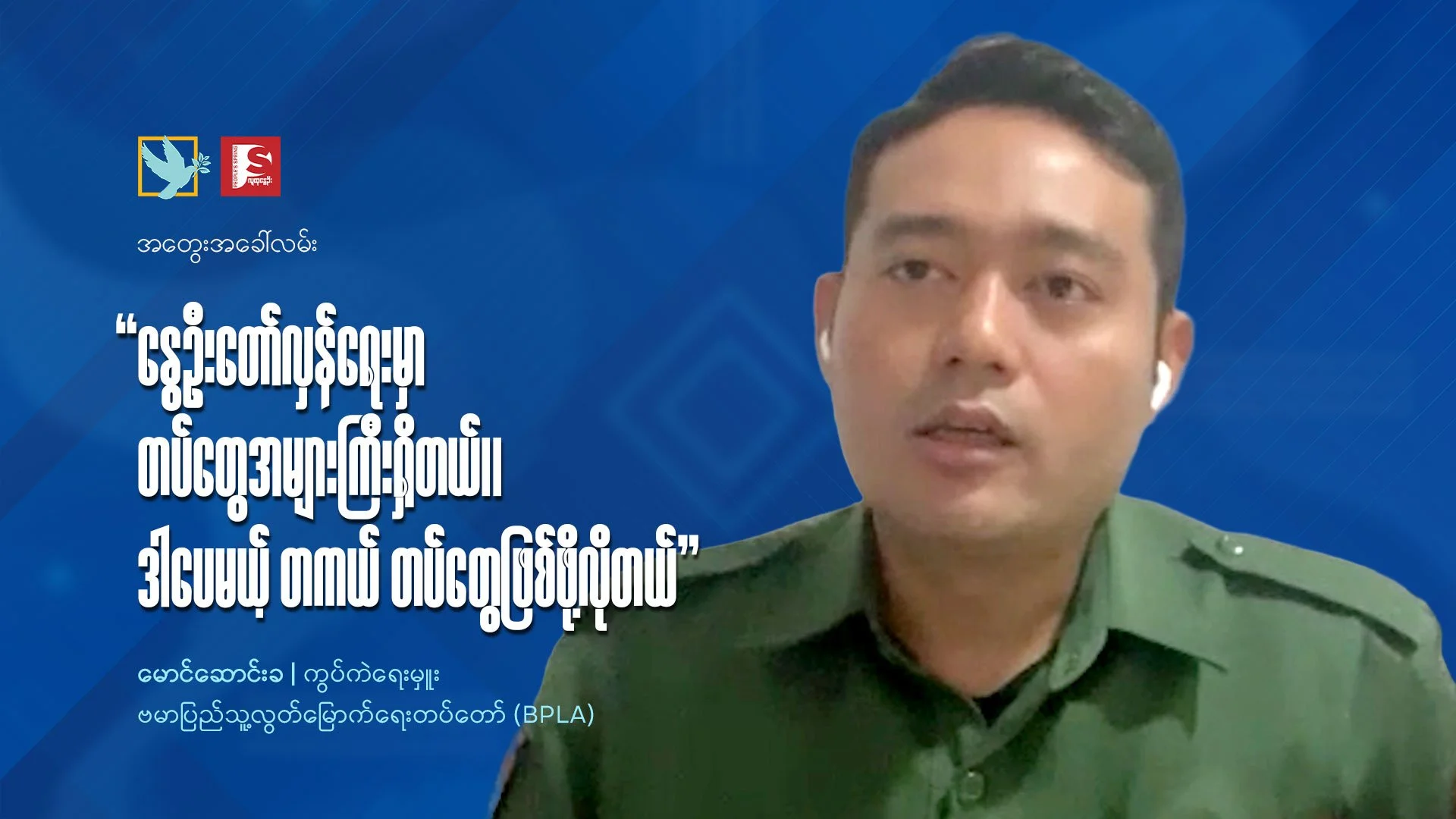
However, his assessment was not bleak. Over time, many forces have recognized the need for reform, unity, and coordination. Alliances that once seemed impossible have gradually become more feasible as a shared understanding has taken root. This shift, he argued, is itself a growing strength. The revolution, like waves, rises and falls, and endurance through both moments is essential.
One of the most powerful changes he highlighted is public perception of the military. Hatred and rejection of the army are no longer limited to ethnic minorities or urban activists. Today, both rural and urban communities broadly agree that the military is unacceptable and must never again dominate society. This shared belief is a critical foundation, but it is not permanent. If the revolution loses discipline or direction, public momentum could fade.
Turning Resentment into Purpose
Across both perspectives, a common message emerged: emotion alone is not enough. Anger, resentment, and suffering must be transformed into organized ideology, strategy, and structure. Opportunities appear briefly in history, and whether they are seized depends on preparation.
This conversation was not about despair. It was about responsibility. By speaking honestly about weaknesses while recognizing real strengths, the panel embodied the very spirit it called for: a revolution mature enough to critique itself and determined enough to continue.
As 2026 approaches, the voices of revolutionary youth remind us that lasting change demands more than courage. It requires clarity, coordination, and the willingness to face reality head-on, together.